(From my memoir, Roam and Return)
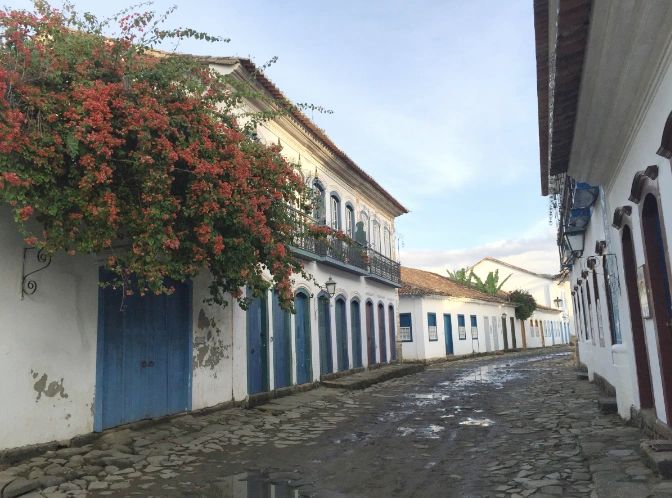
Back in 2016, during my grand South and North American solo trip, Brazil was the first South American country I explored. With just a couple of weeks to spend there, I wanted to make every day count. My route was set: Rio – Paraty – São Paulo – Florianópolis – Foz do Iguaçu. After a few days in Rio, it was time to head to Paraty, a small colonial town nestled between the mountains and the sea.
Traveling around Brazil is surprisingly easy, at least in my experience. Buses are comfortable and reliable, and our ride from Rio to Paraty was smooth and scenic. Arriving late at night, I was grateful that the hotel was just a short walk from the bus station. Its proximity to the historic center and welcoming facilities made settling in effortless, which is a blessing when exploring a new country alone.
I also relied heavily on Maps.me, an offline mapping app that became my constant travel companion. By downloading maps while I had internet, I could navigate anywhere – no connectivity worries, no getting lost.
A Walk Through History
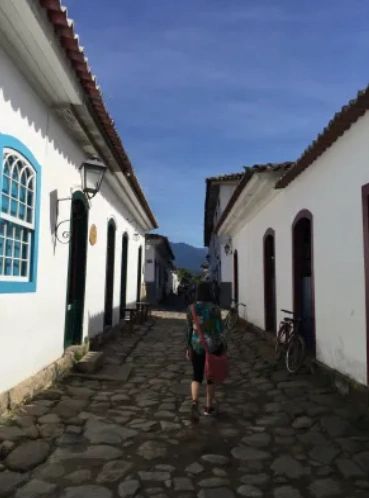
Paraty’s charm immediately grabbed me. The town’s cobbled streets and 17th-18th century colonial buildings feel frozen in time. Walking there for hours, listening to horse carriages clopping along the streets, I imagined life centuries ago: merchants, gold traders, and fishermen going about their daily lives. This town, once a major port for gold and coffee transport during colonial Brazil, carries stories in every corner. Not only its architecture is beautiful; it’s a true window into history.
The history of Paraty is fascinating. Founded in 1667, it became a hub for the Portuguese gold trade, linking inland mines to the sea. The colonial architecture you can see today is a result of that wealth, preserved and restored over centuries. UNESCO even declared Paraty a World Heritage Site, recognizing its unique blend of natural beauty and historical value.
Nature Beyond the Streets
But you know, Paraty is not only about romantic streets and historic buildings. The surrounding villages and beaches are breathtaking. If time allows, renting a car to explore these areas is ideal. Since I was on a tight schedule, I opted for a tour to Trindade, a nearby village that feels almost untouched by mass tourism.
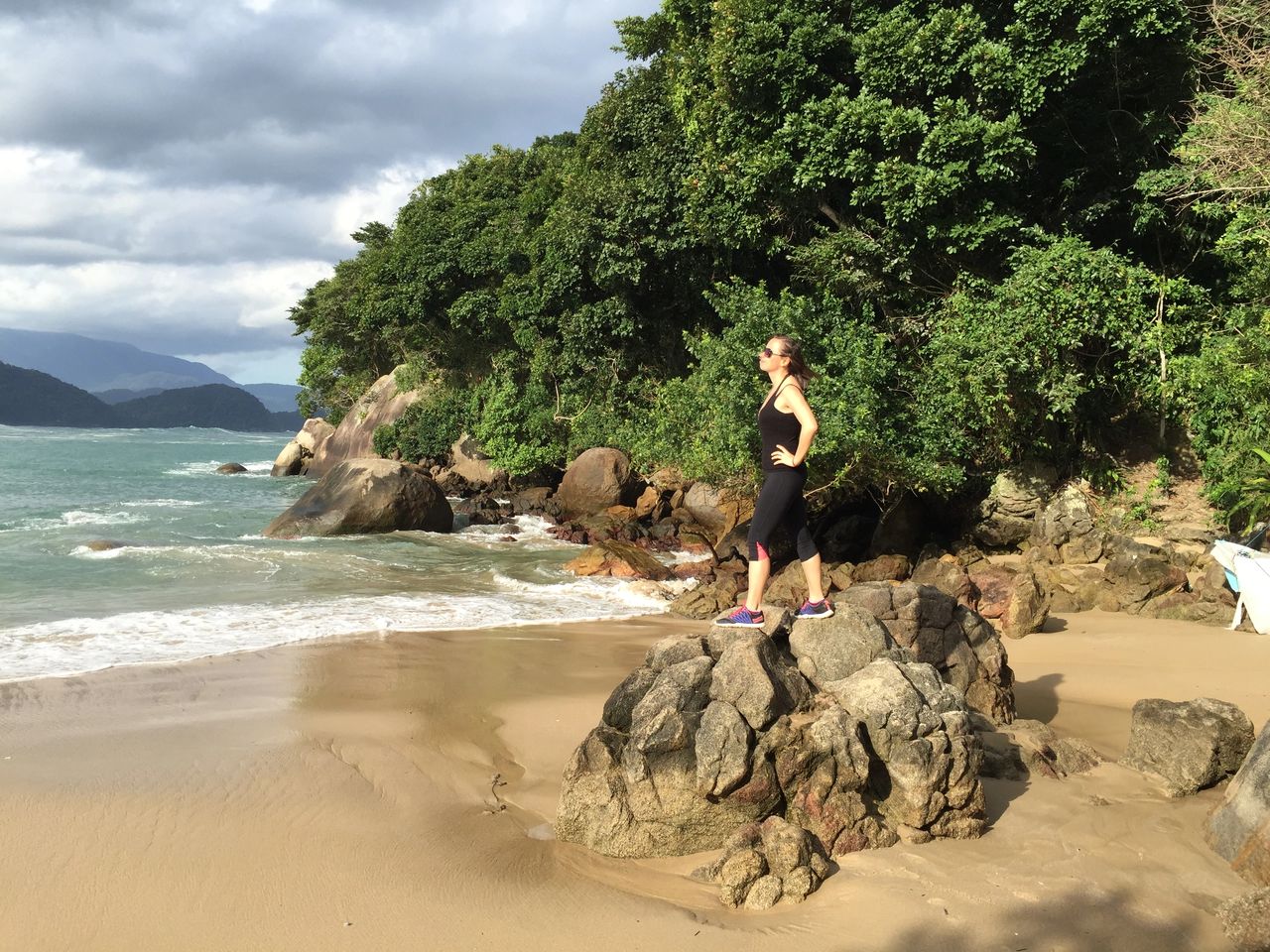
Hiking through the lush woods, we arrived at Praia do Cachadaço, a secluded beach where you can truly feel alone in the world. The waves crash with a wild energy, the forest seems endless, and for a moment, the noise of modern life feels a million miles away.
The drive back to Paraty is a spectacle in itself. Rolling mountains, dense greenery, and glimpses of the sparkling Atlantic create moments worth pausing for.
Paraty, to my mind, is a town that somehow teaches patience, appreciation, and connection. History, nature, and simple human joy coexist in harmony here. Visiting is a gentle reminder that there are places in the world where life’s pace slows down, giving you a chance to reflect, breathe, and reconnect.
During my travels, I’ve collected many stories like this one, and I write about them in my travel memoirs. Paraty, with its rich history, lush landscapes, and timeless streets, is one of those experiences that stays with you long after you leave – the kind of place that makes you want to return, or at least carry a piece of it in your memory.